In the world of digital creation, the terms “design” and “development” are often paired together—spoken in the same breath, bound by shared purpose, yet fundamentally different in nature. Design-development is more than a process; it is a partnership that merges creativity with logic, aesthetics with functionality, and vision with execution. Whether crafting a sleek mobile application, a high-performing website, or a smart physical product, the marriage of thoughtful design and robust development forms the backbone of modern innovation.
Understanding the Dual Nature of Design and Development
Design is the visual and experiential expression of an idea. It answers questions like: How will this look? How will users interact with it? How do we make it intuitive, elegant, and consistent?
Development, on the other hand, brings that idea to life through code, systems, and technology. It asks: How does this function? How do we make it scalable, secure, and efficient?
Together, design and development are two sides of the same coin. One cannot thrive without the other.
-
Design without development is a concept without implementation.
-
Development without design is functionality without appeal or coherence.
Only when both disciplines align does a truly impactful product emerge.
The Design-Development Workflow: From Concept to Creation
An effective design-development workflow is neither linear nor fragmented. It is an iterative, collaborative cycle that refines itself through feedback and testing.
1. Discovery and Planning
Every successful project begins with a deep understanding of the problem, target audience, and business goals. This stage involves stakeholder interviews, market research, user personas, and competitor analysis.
-
Define project scope and objectives.
-
Establish technical and aesthetic requirements.
-
Align on KPIs and deliverables.
2. Design Phase: Crafting the Experience
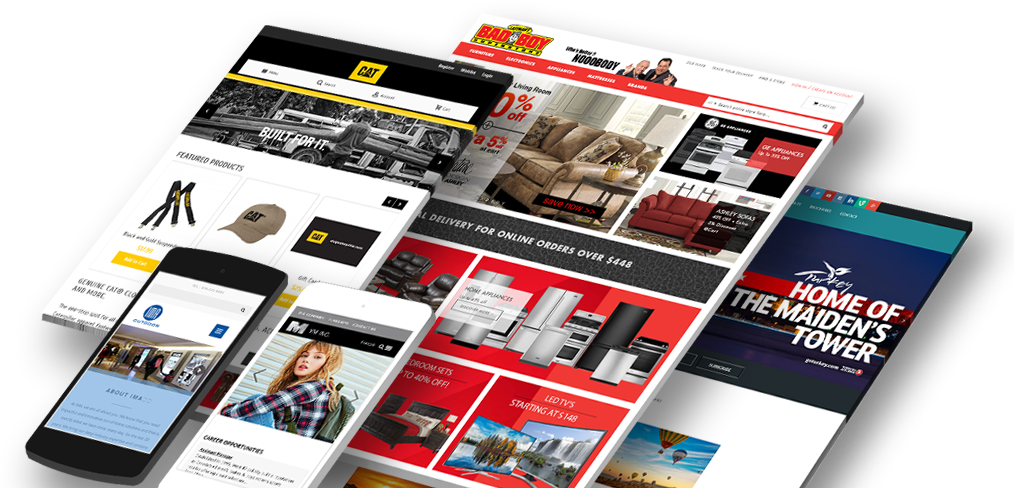
In this phase, designers translate abstract goals into concrete visual frameworks. It begins with wireframes and mockups, evolving into fully fleshed-out UI/UX designs.
-
User Interface (UI): Focuses on layout, typography, colors, and visual hierarchy.
-
User Experience (UX): Ensures the product is easy to navigate, engaging, and meaningful.
-
Tools like Figma, Sketch, and Adobe XD are often used to prototype interactions and interfaces.
3. Development Phase: Engineering the Foundation
Once designs are finalized, developers bring them to life using programming languages, frameworks, and libraries. The development team translates visual assets into functional, responsive, and interactive experiences.
-
Front-End Development: Implements the visual layer using HTML, CSS, JavaScript, and frameworks like React or Vue.
-
Back-End Development: Handles databases, server-side logic, and APIs using languages such as Python, PHP, or Node.js.
-
Version control tools like Git, and collaborative platforms like GitHub, ensure seamless teamwork.
4. Testing and Iteration
No project is complete without rigorous testing. This ensures both the design intent and development output are realized with precision.
-
Usability Testing: Validates the user experience with real users.
-
Functionality Testing: Checks whether all features work as expected.
-
Performance Testing: Assesses speed, load times, and responsiveness across devices.
-
Feedback loops between designers and developers are critical during this phase.
5. Deployment and Maintenance
After testing, the product is deployed to a live environment. However, the journey doesn’t end here. Continuous monitoring, updates, and optimizations are essential for long-term performance.
-
Monitor analytics and user behavior.
-
Patch bugs and introduce feature enhancements.
-
Keep the design fresh and relevant with evolving trends.
Bridging the Gap: Collaboration Between Designers and Developers
Historically, designers and developers have worked in silos, often leading to misunderstandings, mismatched expectations, or friction. But modern workflows prioritize cross-functional collaboration.
-
Shared Vocabulary: Both sides must understand each other’s language to communicate effectively.
-
Design Systems: Unified design libraries (like Google’s Material Design) streamline handoff and maintain consistency.
-
Agile Methodology: Iterative sprints, daily stand-ups, and collaborative tools (like Jira or Trello) ensure everyone stays aligned.
Encouraging empathy—where designers understand technical limitations and developers appreciate aesthetic value—builds a culture of mutual respect and creativity.
Design-Development in Different Industries
The principles of design-development apply across sectors, each with its unique demands and nuances.
In Web and Mobile Applications
-
Clean navigation, intuitive interfaces, and performance optimization are paramount.
-
Progressive Web Apps (PWAs) and native apps must be both visually appealing and technologically robust.
In E-Commerce
-
User experience impacts conversion rates directly.
-
Design influences trust and product appeal; development ensures fast, seamless transactions.
In SaaS Platforms
-
Functional complexity must be hidden behind simple interfaces.
-
Security, scalability, and data handling are key development concerns.
In Physical Product Design
-
Industrial design is closely linked to mechanical engineering.
-
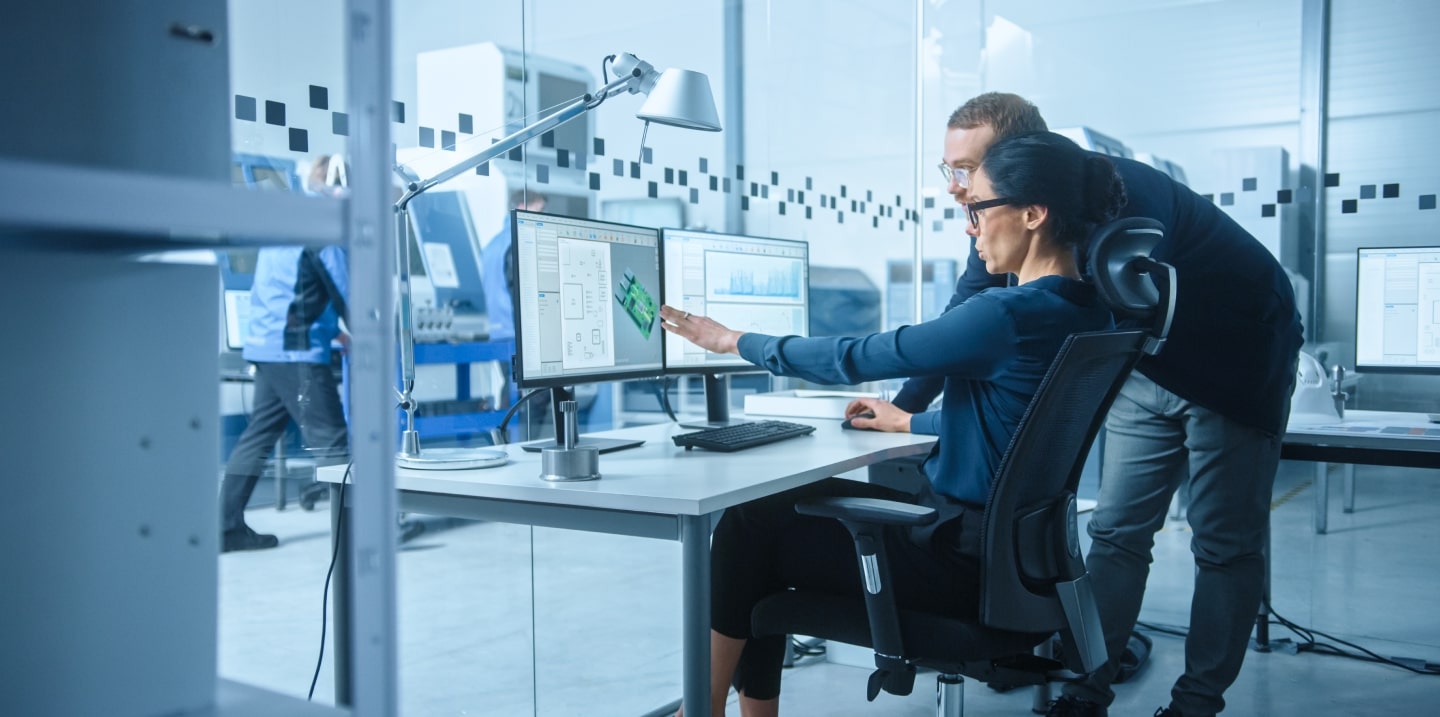
Prototyping and CAD tools blend creative and technical inputs.
Emerging Trends in Design and Development
As the digital landscape evolves, so too does the relationship between design and development.
-
No-Code/Low-Code Platforms: Tools like Webflow and Bubble empower designers to build functional products with minimal coding.
-
AI-Assisted Design: Artificial intelligence is enabling rapid prototyping and personalization.
-
Design Tokens: These standardized design elements bridge design and development systems more efficiently.
-
Micro-Interactions: Thoughtful animations enhance user delight, requiring intricate coordination between both teams.
Conclusion: Building Beautiful, Functional Experiences
In conclusion, design-development is not just a process—it’s a philosophy. It reflects the belief that form and function must co-exist, and that creative vision deserves the technical excellence to bring it to life. When designers and developers work in harmony, the result is more than just a product—it’s an experience that resonates with users, stands out in the market, and adapts gracefully to change. As industries continue to demand more seamless, user-friendly solutions, the synergy between design and development will remain the heart of innovation and digital success.