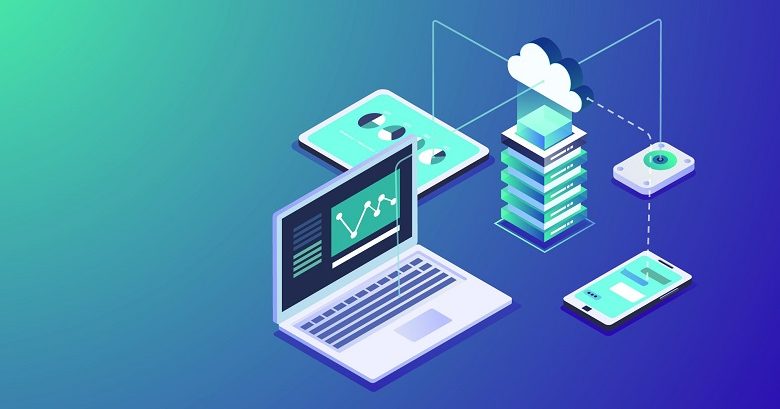
Protecting critical data has become a non-negotiable priority for businesses of every size. Cyberattacks, system failures, and human error can strike without warning, making a well-structured backup strategy essential for continuity and compliance. Below are the core strategies that ensure secure, reliable, and recoverable data.
Understanding the Importance of Business Data Backups
Modern organizations generate vast amounts of valuable information—from customer records to financial data. A single incident of data loss can interrupt operations, harm reputation, and lead to significant financial setbacks. Implementing robust backup strategies minimizes these risks and provides a reliable safety net.
Core Data Backup Strategies
1. Cloud Backups
Storing data in the cloud offers unmatched flexibility and accessibility.
Key advantages include:
-
Off-site protection against local disasters
-
Scalable storage capacity
-
Automated backup scheduling
-
Reduced hardware costs
Cloud backups are especially useful for remote and hybrid teams requiring reliable access from anywhere.
2. Local or On-Premises Backups
Local backups involve storing data on physical devices within the organization.
Benefits include:
-
Faster recovery times
-
Complete control over hardware and access
-
No reliance on internet connectivity
Common local options include external hard drives, NAS devices, and dedicated backup servers.
3. Hybrid Backup Strategy
A hybrid approach combines cloud and local backups, offering comprehensive protection.
Why it’s effective:
-
Ensures redundancy across multiple environments
-
Allows quick local restoration and remote disaster recovery
-
Reduces downtime during emergencies
This strategy is widely adopted because it balances speed, security, and resilience.
4. Automated Backup Scheduling
Manual backups are prone to inconsistency. Automating the process ensures regular updates without human intervention.
Benefits of automation:
-
Consistent backup cycles
-
Reduced risk of missed backups
-
Faster rollback to recent versions
Daily, weekly, or real-time automation can be configured based on business needs.
5. Versioning and Incremental Backups
Versioning allows multiple historical copies of files, helping businesses recover from accidental deletions or ransomware attacks.
Incremental backups store only the changes made since the last backup, significantly reducing storage use and speeding up the process.
6. The 3-2-1 Backup Rule
This widely accepted rule enhances redundancy and reliability:
-
3 copies of data
-
2 stored on different types of media
-
1 kept off-site
Following this model ensures maximum protection from hardware failure, cyber threats, or physical disasters.
7. Regular Testing and Validation
A backup is only valuable if it restores correctly. Regularly testing recovery procedures ensures files remain intact and usable.
Testing involves:
-
Verifying backup integrity
-
Simulating partial or full restorations
-
Reviewing recovery time objectives (RTOs)
8. Implementing Strong Security Measures
Backup data is an attractive target for cybercriminals. Securing it is just as important as the backup process itself.
Essential security practices:
-
Encryption during storage and transfer
-
Multi-factor authentication
-
Strict access control policies
-
Continuous monitoring for anomalies
Best Practices for Maintaining Effective Backups
Document Your Backup Policy
A clear, well-defined backup policy helps teams understand responsibilities, schedules, and recovery procedures.
Prioritize Critical Data
Not all data is equal. Identify essential assets such as customer databases, financial records, and proprietary information.
Monitor Storage Utilization
Avoid backup failures by tracking space consumption and planning for expansion as data grows.
Keep Software Updated
Backup tools and operating systems must remain up-to-date to prevent vulnerabilities and ensure compatibility.
Frequently Asked Questions (FAQ)
1. How often should a business back up its data?
Backup frequency depends on data activity, but most businesses benefit from daily or automated continuous backups.
2. What type of data should be prioritized in backup plans?
High-value operational data such as customer information, financial documents, project files, and proprietary assets should come first.
3. Are cloud backups safe from cyberattacks?
Cloud providers employ strong security measures, but businesses must still enforce encryption, secure passwords, and access control.
4. What is the difference between full and incremental backups?
A full backup copies everything, while an incremental backup saves only changes since the last backup, reducing time and storage usage.
5. How long should backup data be retained?
Retention periods vary by industry and compliance requirements, typically ranging from months to several years.
6. What happens if backups fail during a scheduled process?
Monitoring tools should alert administrators, who must troubleshoot the cause and run tests to ensure no gaps in data protection.
7. Do small businesses need advanced backup strategies?
Yes. Even small operations face cyber risks and equipment failures, making structured backup planning essential for continuity.