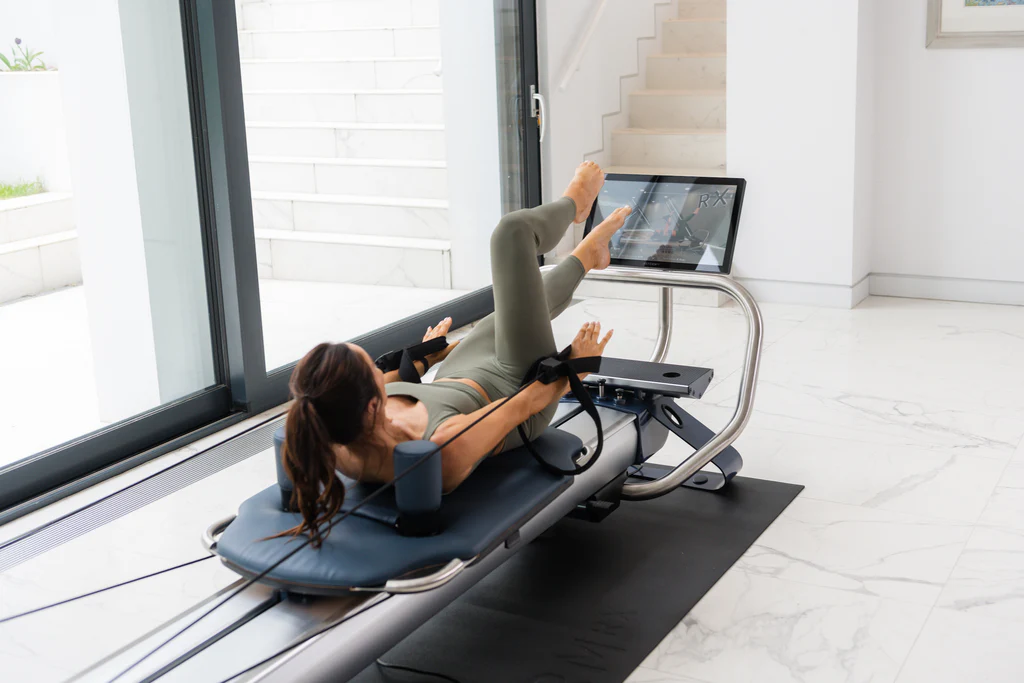
The fitness industry in Singapore has been quick to adopt modern technology. From AI-powered coaching apps to wearable trackers, digital tools are transforming the way people exercise and monitor progress. One area where this integration is becoming increasingly exciting is reformer pilates Singapore, where wearable technology provides deeper insights into posture, breathing, and performance. Combining traditional Pilates principles with advanced tracking technology creates a powerful approach to movement and health.
Why Technology and Pilates Work Well Together
At its core, Pilates focuses on control, precision, and body awareness. While this already provides significant benefits, wearable devices enhance the experience by offering real-time feedback and data that would otherwise be difficult to capture.
For example, a reformer Pilates instructor may remind a participant to engage their core, but a wearable can show how much abdominal activation is happening in real time. Similarly, breath-monitoring devices can measure if a person is maintaining steady breathing throughout the workout. This blend of mindful movement and digital insight helps participants achieve more effective results.
Types of Wearable Technology Used in Reformer Pilates
Fitness Trackers and Smartwatches
Popular devices such as smartwatches monitor heart rate, calories burned, and activity duration. In reformer Pilates, they help measure intensity and ensure participants are working at the right level.
Posture Sensors
Small posture-tracking devices can be worn on the back or shoulders. These sensors vibrate gently when the wearer slouches, making them particularly useful for Pilates movements that demand spinal alignment.
Breath Monitors
Breathing is a cornerstone of Pilates. Devices that track respiration rate and depth provide insight into whether participants are performing breathwork correctly, allowing them to adjust for maximum efficiency.
EMG-Based Muscle Sensors
Electromyography (EMG) wearables measure muscle activation. In Pilates, these help users confirm that smaller stabilising muscles, such as the transverse abdominis, are actually engaging during core exercises.
Smart Clothing
Innovations in fitness apparel now include clothing embedded with sensors. These garments can monitor movement, muscle engagement, and posture without requiring separate devices.
Benefits of Wearables in Reformer Pilates Sessions
Personalised Feedback
Wearables transform subjective “feeling” into measurable feedback. For example, a participant who thinks they are activating their glutes during footwork can confirm whether their muscles are working as intended.
Injury Prevention
Incorrect movement patterns often lead to strain. Real-time correction from posture sensors helps prevent poor form, reducing the risk of injury.
Tracking Progress Over Time
Office workers or seniors attending reformer Pilates sessions can see measurable improvements in flexibility, strength, and posture alignment through long-term wearable data.
Enhanced Motivation
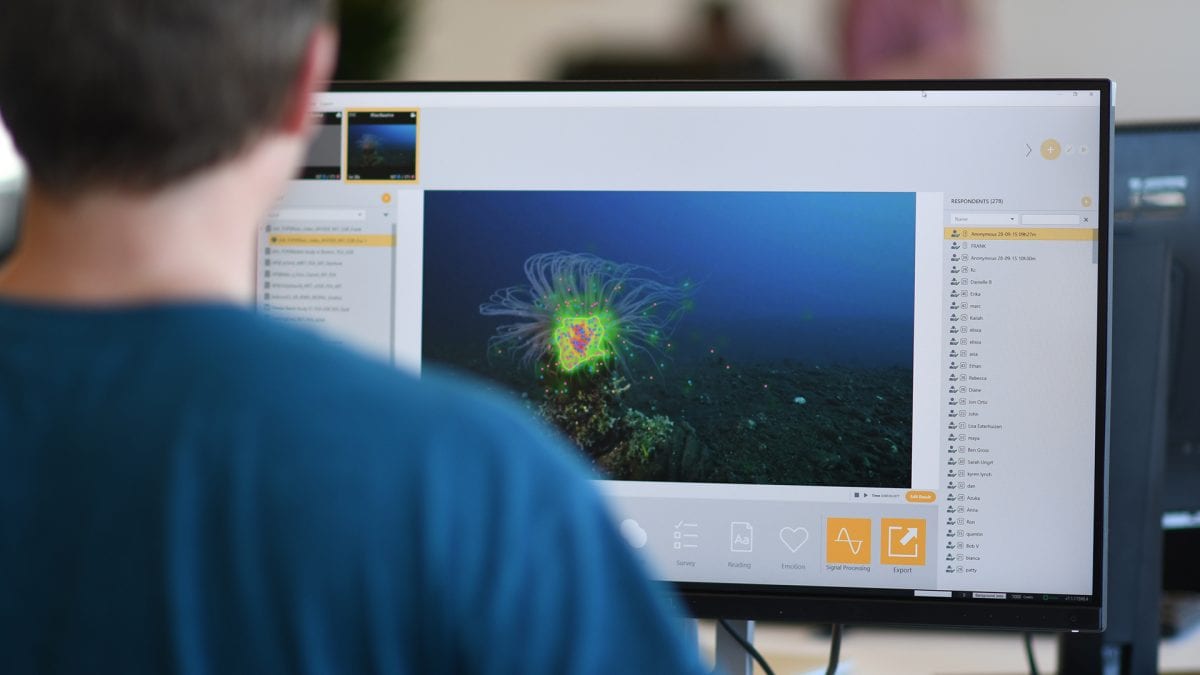
Numbers and progress charts can motivate participants to stay consistent. Watching improvements in heart rate recovery or posture scores provides encouragement beyond visual changes.
Integration with Health Apps
Most wearables sync with apps that allow data storage, trend analysis, and even sharing progress with instructors. This makes reformer Pilates a collaborative process between participant and coach.
Why Singapore is an Ideal Environment for Tech-Enhanced Pilates
Singapore’s reputation as a smart nation has paved the way for widespread adoption of wearables in fitness. With a population highly engaged in health trends and comfortable with digital solutions, combining technology with reformer Pilates feels natural.
Additionally, the country’s emphasis on workplace wellness means professionals are more willing to invest in tools that track posture, stress, and mobility. Many corporate employees already use wearables, making their integration into Pilates sessions seamless.
Practical Ways Wearables Are Used in Reformer Pilates Studios
-
Heart Rate Monitoring
Participants can stay within safe intensity zones while building strength and stamina. -
Posture Alerts
Sensors alert users when they round their shoulders or arch their lower back incorrectly. -
Performance Tracking
Instructors can access participants’ progress data to adjust sessions accordingly. -
Breath Awareness
Breath-tracking devices show whether deep diaphragmatic breathing is being maintained during challenging exercises. -
Hybrid Classes
Some studios incorporate wearables into group sessions, with data projected on a screen so participants can track alignment and effort collectively.
Challenges and Considerations
While the integration of wearables with reformer Pilates offers immense potential, there are challenges to consider:
-
Cost – High-quality wearables can be expensive, making them less accessible to all participants.
-
Accuracy – Devices may not always capture subtle muscle engagement, especially for stabilisers.
-
Learning Curve – Some participants may feel distracted by data instead of focusing on mindful movement.
-
Privacy – Data collected by wearables must be handled responsibly, especially if shared with instructors or apps.
The Future of Reformer Pilates and Technology in Singapore
As technology evolves, wearables will continue to shape how Pilates is taught and experienced. Possible future developments include:
-
AI-Driven Feedback – Wearables that provide voice guidance based on movement analysis.
-
Augmented Reality Integration – Glasses that overlay posture corrections during exercises.
-
Comprehensive Health Reports – Linking Pilates sessions with broader health monitoring for holistic wellness.
This future aligns with Singapore’s ongoing investment in digital health and wellness innovations, making reformer Pilates a frontrunner in tech-driven fitness.
Long-Term Benefits for Participants
When consistently applied, wearable-supported reformer Pilates sessions can lead to:
-
Stronger awareness of posture in daily life.
-
Better management of stress through breathing regulation.
-
Reduced risk of injuries caused by poor alignment.
-
Improved motivation from measurable fitness data.
-
A stronger partnership between instructors and participants.
Choosing a Tech-Friendly Pilates Studio in Singapore
Not all studios are equally equipped to integrate technology. Participants should look for:
-
Studios that embrace innovation while maintaining Pilates principles.
-
Instructors trained to interpret wearable data meaningfully.
-
A balance between tech use and mindful movement, so technology supports rather than distracts.
A studio like Yoga Edition demonstrates how reformer Pilates can adapt to evolving needs while keeping focus on core principles of strength, balance, and posture.
Real-Life Scenarios of Wearable Use
-
A 32-year-old marketing professional used a posture sensor in reformer Pilates and noticed improved awareness of slouching at work.
-
A 45-year-old with recurring back pain tracked muscle activation, ensuring he was engaging the right core muscles during rehabilitation.
-
A group class integrated smartwatches, motivating participants to stay consistent by comparing progress in heart rate recovery.
These examples show that technology enhances not just the exercise itself but also lifestyle habits outside the studio.
FAQs About Wearables and Reformer Pilates
Q. Do I need to own a wearable before joining a reformer Pilates class?
No. While helpful, wearables are optional. Many studios guide you based on observation and feedback without requiring devices.
Q. Can wearables replace the guidance of a Pilates instructor?
No. They provide feedback and data but cannot replace human expertise in tailoring sessions and correcting subtle movements.
Q. Are wearables safe for seniors practising reformer Pilates?
Yes. Many devices are lightweight and easy to use. Seniors may benefit most from posture trackers and heart rate monitors.
Q. Will using wearables distract from the mindfulness aspect of Pilates?
Not if used correctly. The aim is to complement the practice with feedback, not replace the mindful focus.
Q. How often should data from wearables be reviewed?
Reviewing progress every 2–4 weeks is ideal, as it allows enough time to see measurable changes without over-fixation on numbers.