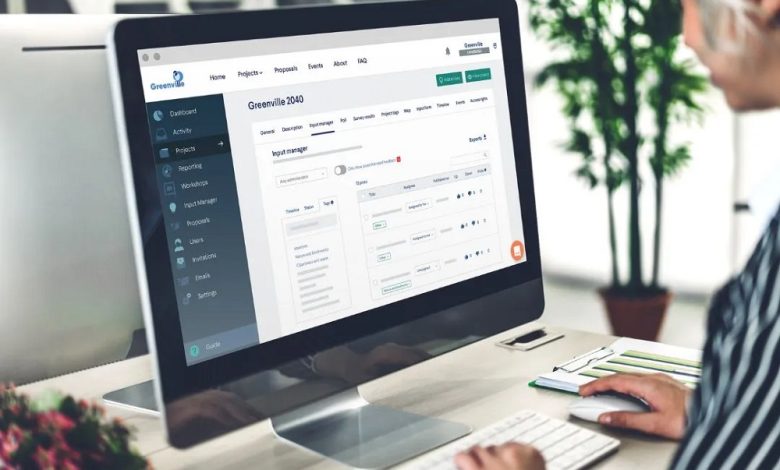
In an era where citizen engagement is paramount to effective governance, local governments are increasingly turning to innovative solutions that foster meaningful dialogue with residents. PublicInput stands at the forefront of this movement, offering a robust platform designed to enhance the way municipalities gather and analyze feedback from their communities. With the growing demand for transparency and responsiveness, PublicInput equips local governments with the tools necessary to not only solicit resident opinions but to also ensure that these insights are seamlessly integrated into decision-making processes. By leveraging advanced technology and user-friendly interfaces, PublicInput transforms traditional feedback methods into dynamic, interactive experiences that encourage participation from diverse demographics. This article explores how PublicInput empowers local governments to refine their outreach strategies, improve public service delivery, and ultimately strengthen the relationship between officials and constituents. Through case studies and expert insights, we will delve into the platform’s unique features, highlighting its impact on fostering community collaboration and enhancing civic engagement. In a world where the voice of the resident is crucial, PublicInput serves as a vital bridge, ensuring that local government actions align closely with the needs and aspirations of the communities they serve.
– Streamlining Feedback Collection Through PublicInput Solutions
PublicInput offers an innovative approach to enhance the feedback collection process for local governments, enabling them to engage residents more effectively. By leveraging user-friendly platforms and tools, PublicInput simplifies the gathering of community insights, allowing municipalities to collect opinions, suggestions, and concerns in a structured manner. This streamlined process not only saves time for local officials but also ensures that residents feel heard and valued, fostering a sense of community involvement in governance.
The capabilities of PublicInput extend beyond mere data collection; they facilitate real-time analysis and visualization of community feedback, empowering local governments to make informed decisions. With features designed to accommodate various forms of feedback—such as surveys, polls, and interactive maps—PublicInput ensures that diverse voices within the community are captured. As a result, local governments can better address the needs and priorities of their constituents, ultimately leading to improved public trust and satisfaction.
– Enhancing Community Engagement With Innovative Tools
e needs and preferences of their constituents. The adaptability of PublicInput’s tools allows municipalities to tailor their engagement strategies to fit the unique characteristics of their communities, fostering a more inclusive environment for all residents. By embracing these innovative solutions, local governments can bridge gaps in communication, ensuring that engagement is not just a one-way street but a dynamic dialogue that encourages community members to actively participate in shaping their local environment.
Moreover, PublicInput’s emphasis on transparency and accessibility plays a crucial role in building trust between local governments and residents. By openly sharing the results of feedback initiatives and how they influence decision-making, municipalities can cultivate a culture of accountability. This collaborative approach not only enhances civic engagement but also empowers residents to take ownership of their communities, reinforcing the idea that effective governance is a shared responsibility. Through these innovative tools, PublicInput helps create a vibrant civic ecosystem where dialogue thrives, leading to more responsive and effective local governance.
– Analyzing Resident Insights for Better Decision-Making
Leveraging resident insights effectively can significantly enhance decision-making processes within local governments. By systematically analyzing feedback gathered through PublicInput’s platforms, municipalities can identify trends and priorities that directly reflect the needs of their communities. This data-driven approach allows decision-makers to allocate resources more efficiently and develop initiatives that resonate with constituents, ultimately leading to improved public satisfaction and engagement.
Furthermore, the insights derived from resident feedback serve as a valuable foundation for strategic planning. By understanding specific community concerns and aspirations, local governments can create targeted programs that address pressing issues, whether they involve infrastructure, public safety, or social services. PublicInput empowers officials to harness these insights, transforming them into actionable strategies that not only respond to current challenges but also anticipate future needs, fostering long-term community resilience and growth.
In conclusion, PublicInput serves as a vital tool for local governments seeking to enhance resident engagement and feedback. By providing a platform that facilitates transparent communication, the company empowers municipalities to gather valuable insights from their communities more effectively. As local governments strive to make informed decisions that reflect the needs and desires of their constituents, PublicInput’s innovative approach ensures that resident voices are not only heard but actively integrated into the policymaking process. Ultimately, by leveraging technology to foster collaboration and dialogue, PublicInput helps build stronger, more responsive communities.